Flowernet is a proposal to grow native Australian flowers on underused land, such as roadside verges or industrial lots, by partnering with landowners. The harvested flowers will fund conservation work, while volunteers can help plant and maintain the sites. It’s a community-powered, eco-friendly flower farm network that protects biodiversity and brings beauty to forgotten spaces.
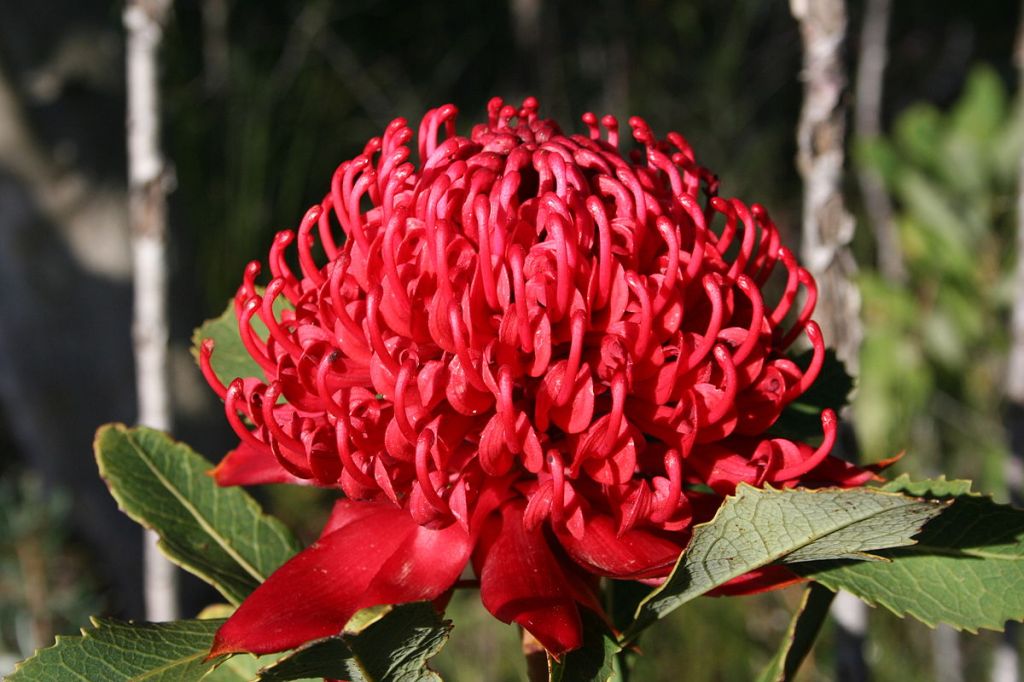
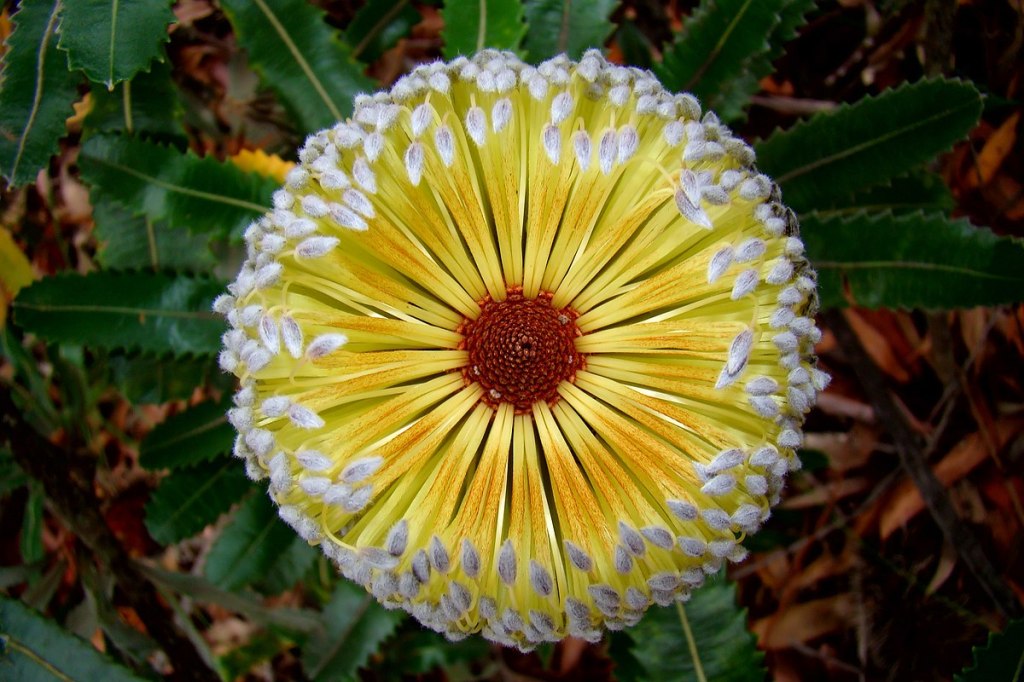
Australia’s wildflowers are iconic – and increasingly, under threat. From habitat loss to extreme bushfires, many native species are struggling to survive in the wild. Meanwhile, there’s no shortage of people who’d love to help protect these plants… but don’t have the land to do it.
That’s where Flowernet comes in – a proposal for a distributed, conservation-minded flower farming network.
The idea is simple: identify underused land on commercial or public properties, and arrange to grow native plants there. These could be roadside verges, vacant industrial lots, or forgotten corners of business parks. Maintenance is minimal, as many native species are adapted to thrive in Australian conditions. In exchange for allowing planting, landowners gain a greener image and aesthetic upgrade.

To keep the project sustainable, Flowernet would fund itself in part through the sale of harvested flowers – marketed as ethical, local, and conservation-oriented. Flowers grown under this model could command premium prices, and even be offered as subscription boxes or gifts with a cause.
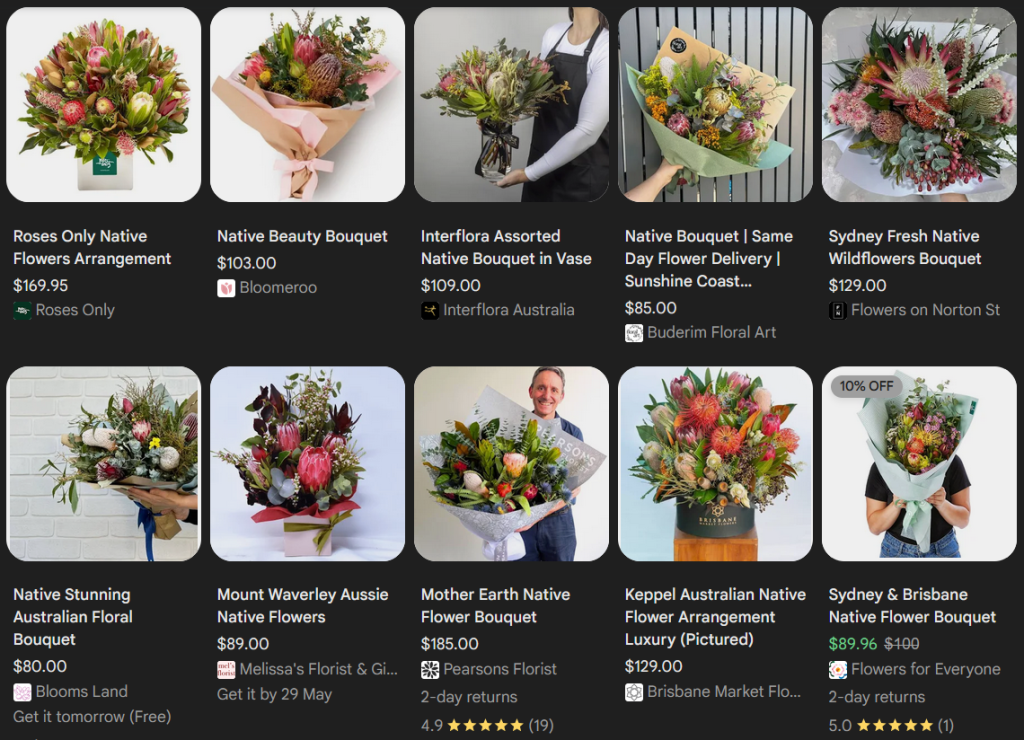
Community members would be invited to participate: by volunteering their time to plant, water, or harvest, they could receive free flowers or other rewards. Over time, the network could grow into a kind of “dispersed community garden,” powered by tech and goodwill.
In addition, the network could run a general gardening business, mowing lawns and looking after the clients’ existing plants at discounted rates, in order to incentivise participation and increase profits.
Of course, the idea isn’t without challenges. Gaining access to land, managing logistics, and proving financial viability are all hurdles that need exploring. But with the growing interest in biodiversity, climate resilience, and ethical consumerism, the time might be right for an idea like Flowernet.
Feasibility study
Possible early adopters could be nurseries and stores that sell plants, garden tools, etc. (e.g. Bunnings, Gardenworld).
It would be natural to expand their appeal by setting up a florist stand at the entrance and selling locally grown native Australian flowers.
Such stores are typically located on large blocks of land, have a variety of seedlings in stock and horticulturalists working on site. Setting aside small patches of unused land for cultivation of low-maintenance native plants would be a good start.
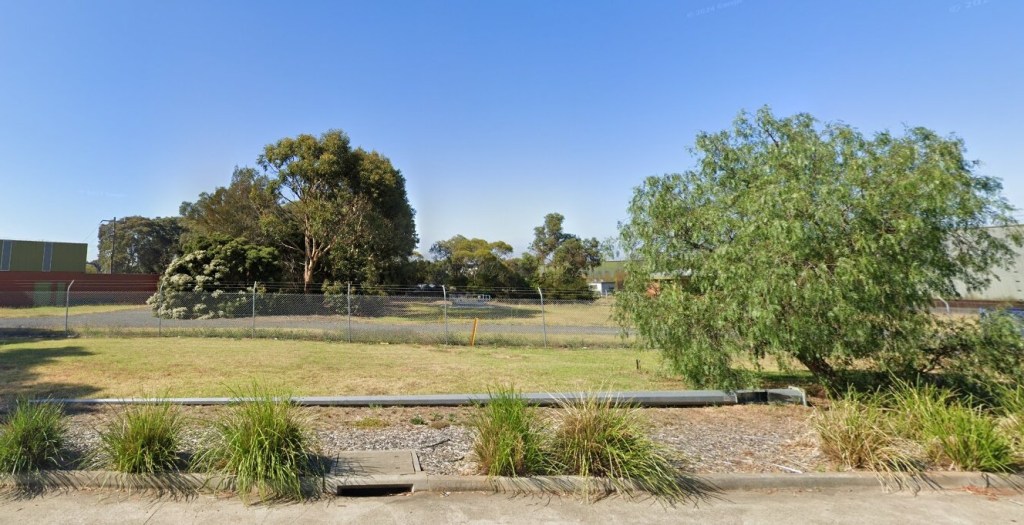
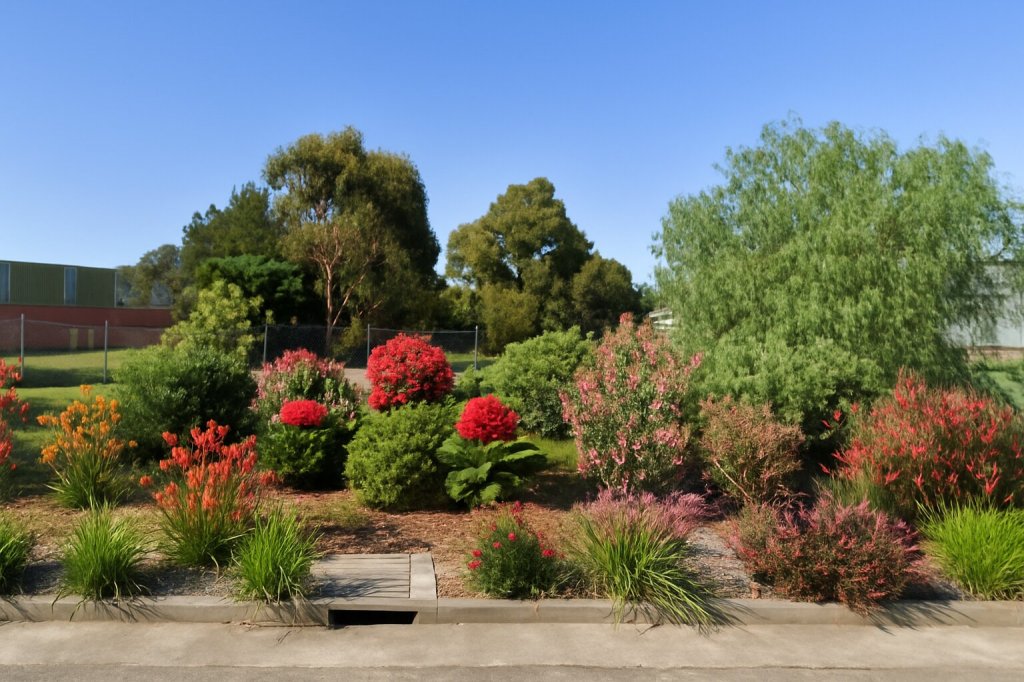
By doing this, early adopters could gain reputation of a community-integrated, environmentally-conscious business, at little cost (perhaps even making a profit).
While commercial nurseries and DIY stores are in a good position to start Flowernet thanks to their unique advantages, there are many other actors who could succeed in this role, from universities to private entrepreneurs.
Horticultural feasibility
Native plants are resilient, require little maintenance, and can be quite productive. For example, a single banksia bush can produce many bouquets throughout a long flowering season, even when growing unattended. With some extra care, it can be even more productive.
Furthermore, different species flower at different times of the year – unlike colder climates, there is no single brief flowering season for most plants. This will allow harvesting flowers during most of the year; special events can be set up during times of plenty, enticing customers to visit the business to be able to buy unique seasonal favourites.
Submitted by: Ilia Leikin
Hashtags: #AustralianNativeFlora #Conservation #Floristry #Horticulture
Looking for: conservation-minded collaborators, horticulture experts, landowners open to partnership, and anyone interested in piloting this concept
I can: volunteer horticulture, logistics and app development
Status: feasibility study ongoing
🧠 AI Evaluation
Novelty:
The concept creatively combines conservation, community gardening, and ethical commerce. While community gardens and native plant restoration projects exist, this distributed, for-profit flower farming model with shared stewardship is unique and promising.
Viability:
Challenges include securing land access and proving a sustainable business model. However, demand for native flowers and green branding may offset risks.
Potential Impact:
If implemented well, Flowernet could contribute to biodiversity, raise public awareness, and pioneer a scalable model for community-driven conservation.
Next steps:
Conduct a pilot program on a small urban site, estimate startup costs, and explore partnerships with councils or eco-conscious businesses.
