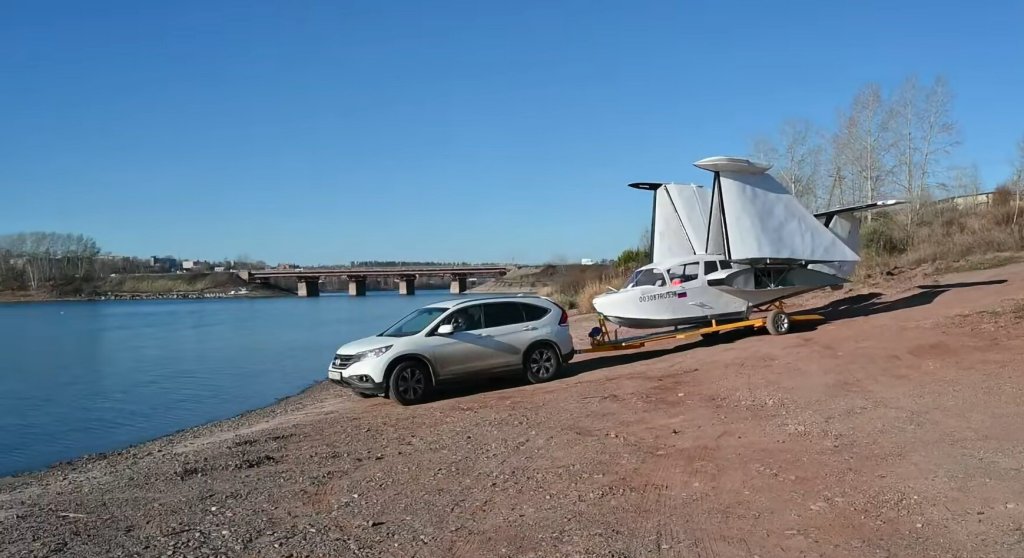
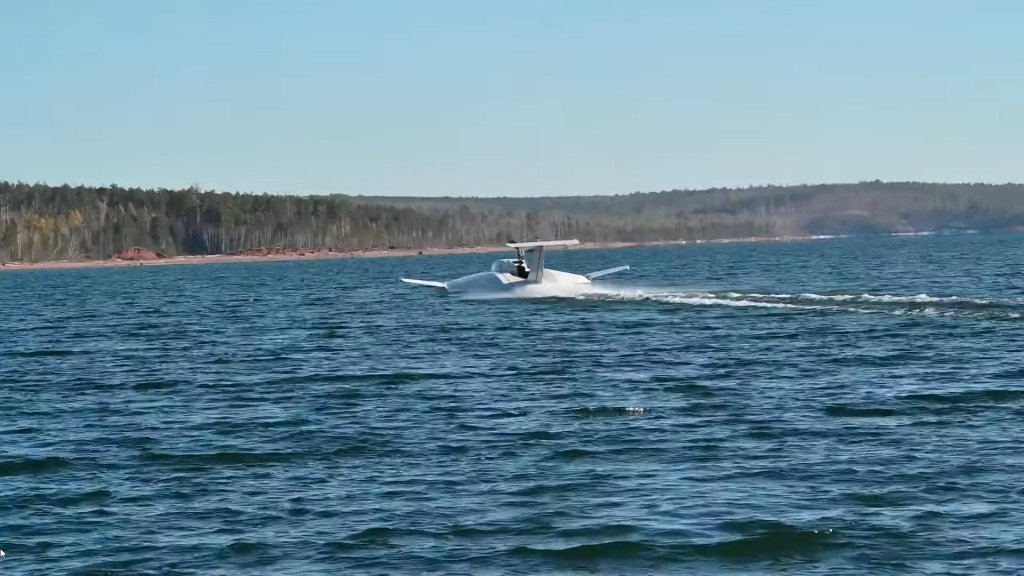
A team in Russia has developed an ekranoplan prototype (Russian ekranoplan – that would be new!) that can make waves in the industry! It is robust, and just the right size to appeal to private buyers. It’s powered by an automotive engine and has 600kg capacity, 150km/h cruise speed, and folding wings for easy transport.

A bit of background
Decades after their invention, ekranoplans have still not become a popular mode of transportation, but not through a fault of their own. First envisaged as military machines, they failed in that role (I guess being bad at war is a good thing?) As Soviet engineers staged their grand experiments with giant ekranoplans, in the West, something smaller and nimbler appeared: Alexander Lippisch’s X-series. But with regulations tightening and travel being increasingly standardised, they didn’t have much chance of success. Now, when efficiency and fun are both becoming increasingly important, it may be just the right time to revisit the ekranoplan concept, and the featured prototype approaches this mission beautifully!
Why ekranoplans?
Despite the lack of adoption, ekranoplans have several advantages that we value highly in this day and age:
- Efficiency: flight in ground effect is inherently more efficient thanks to a cushion of air that forms under the wings and lowers the lift-induced drag. Furthermore, ekranoplans are well suited to using automotive engines, which have benefitted from decades of intensive R&D and have become very clean and efficient. With green agenda high …on the agenda, this makes ekranoplans very appealing.
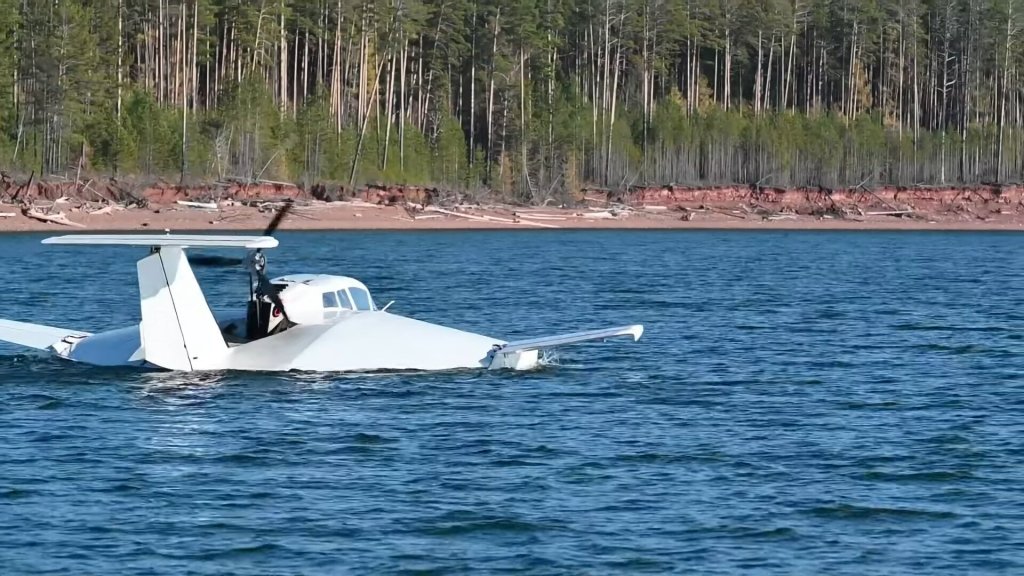
- Safety: modern aeroplanes are safe, unless something goes wrong – and then they’re not. Results of failure could be catastrophic. In this regard, ekranoplans are closer to cars and boats, which we are more used to in everyday life: there are more things to collide with closer to the surface, but accidents are less fatal. And if an ekranoplan suffers engine failure, it just plops on the water and quickly slows down, much like a jetski (as demonstrated by the development team in the tests).
- Adventurousness: as life gets too boring for many people, they seek the thrills that could give them an adrenaline hit. Jetskis have surged in popularity, as have paragliders and other relatively affordable rides that don’t require expensive licence training like in general aviation. Compact, personal-sized ekranoplans could be a nice addition to this list!
- Connectedness: in the past, living in remote places was considered normal; these days, even though many people do prefer seclusion, an ability to quickly reach civilisation is assumed – but is not always there. Ekranoplans could help connect remote communities in suitable locations across the world.
- Environmental conservation: where there’s a river – why build roads? Take advantage of natural highways with “flying cars”!
The prototype
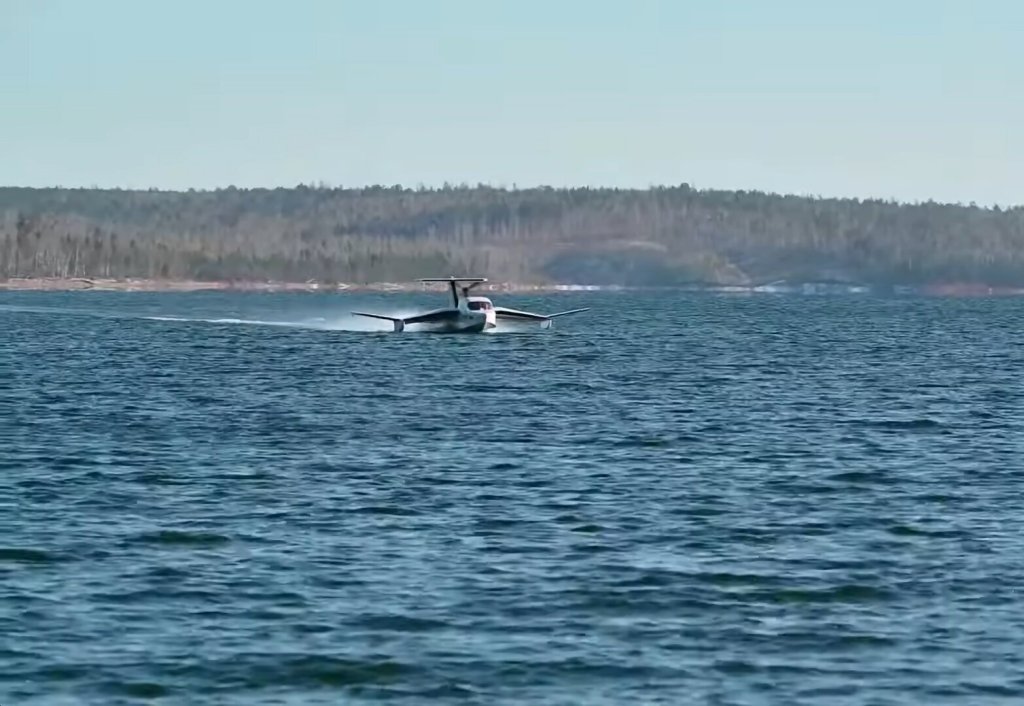
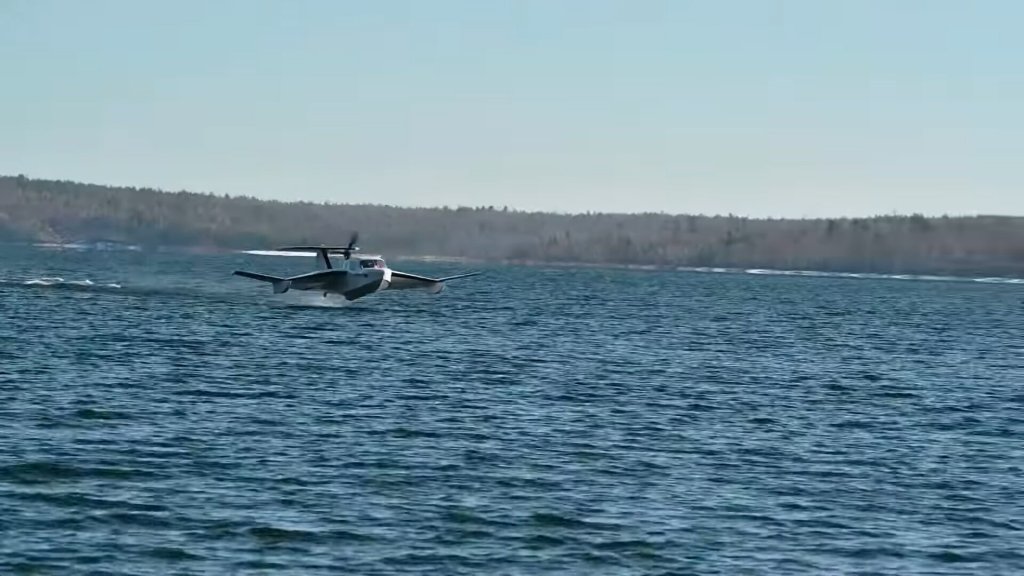
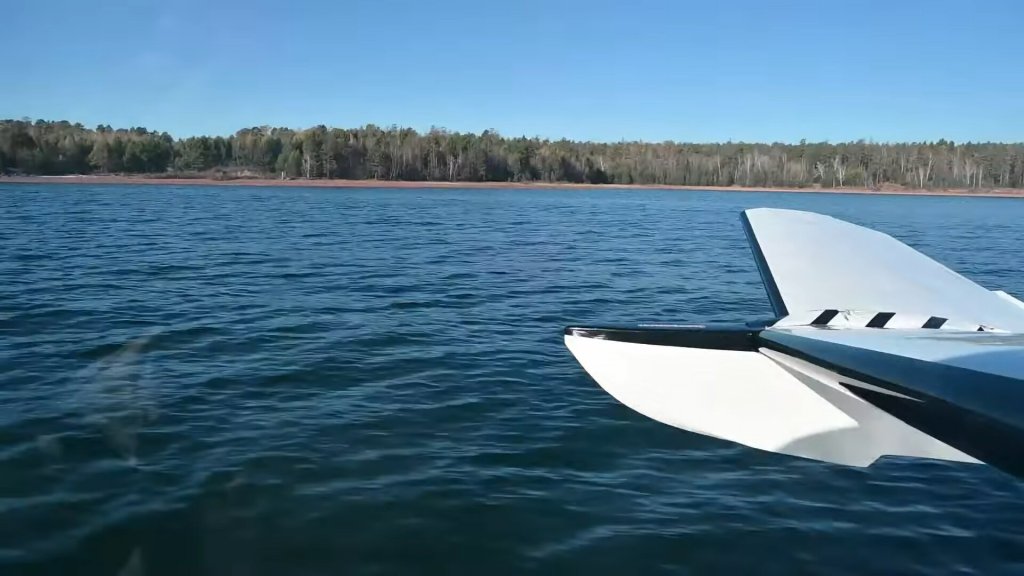
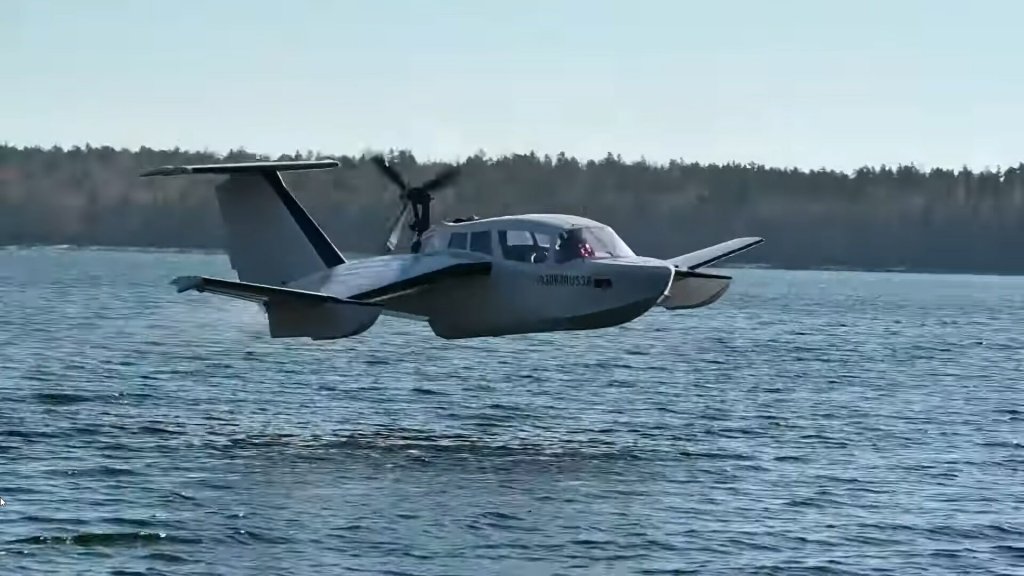
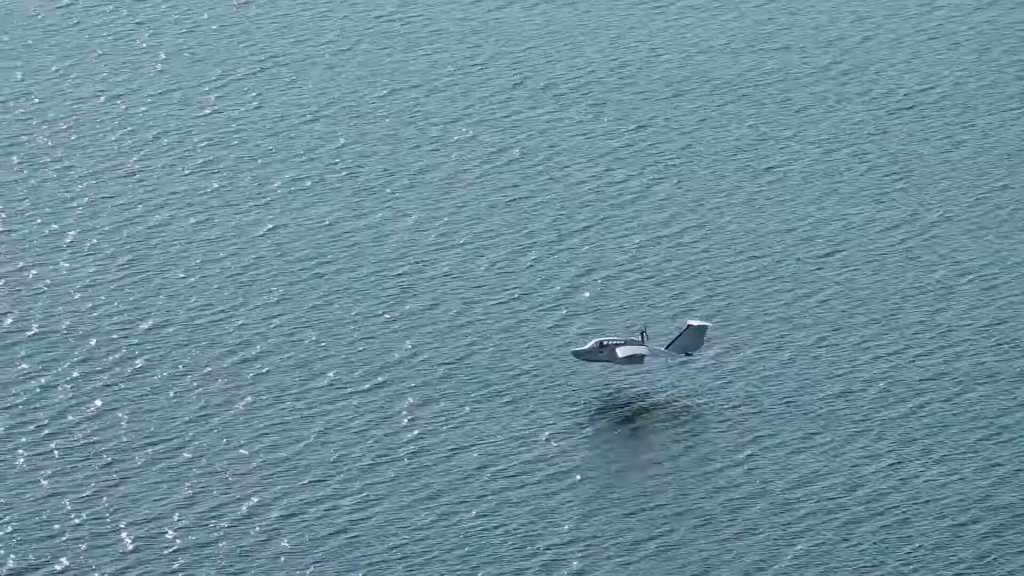
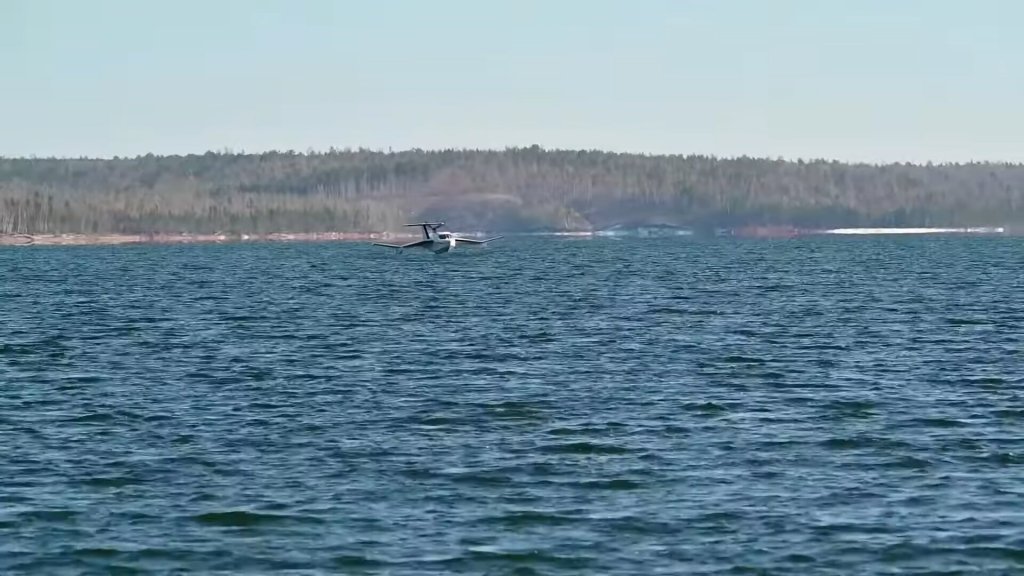
The Russian team have built a prototype called Skate 3 (Скат 3), which is currently undergoing tests. You can follow their progress on their YouTube channel.
Specifications
Engine: Honda J30A V6
Payload capacity: 600kg
Cruise speed: 150km/h
Fuel consumption: 28L/h
Fuel type: automotive gasoline
Range: 900km
Gallery




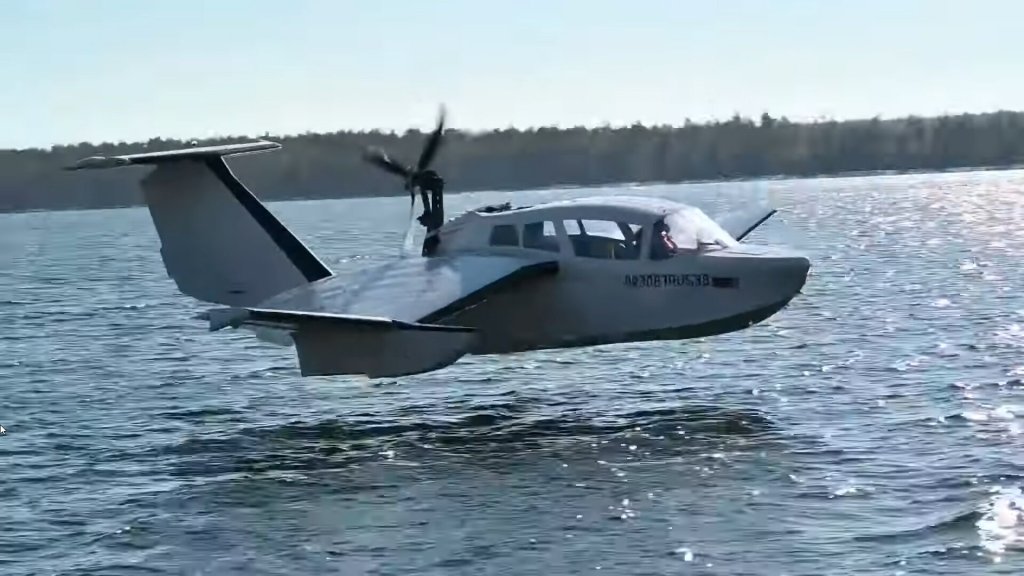
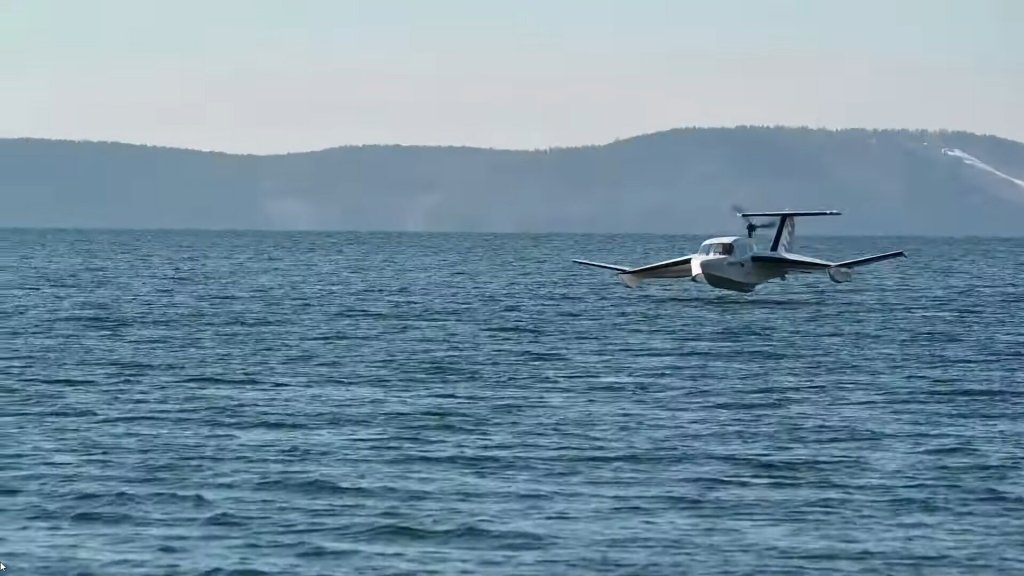
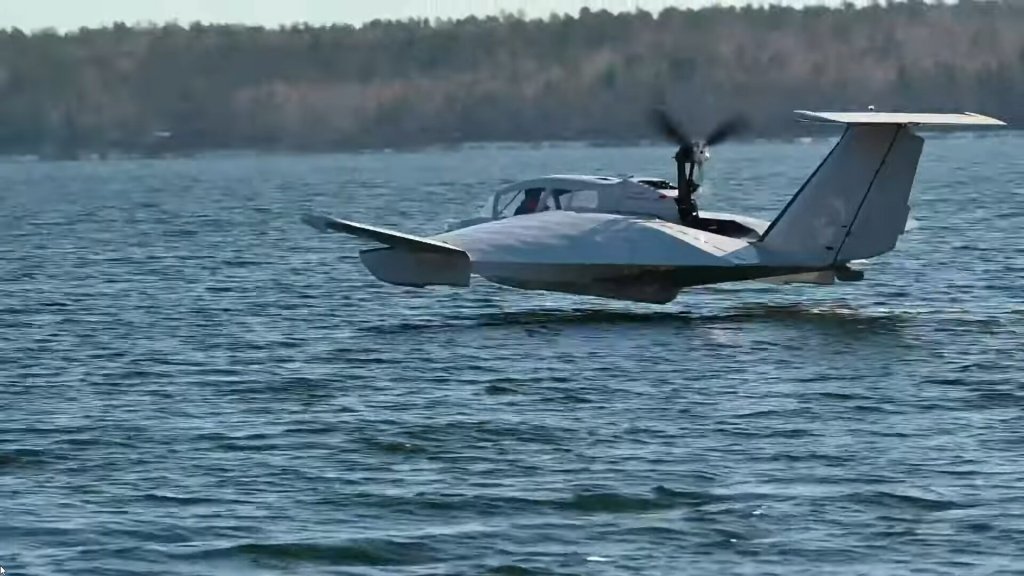
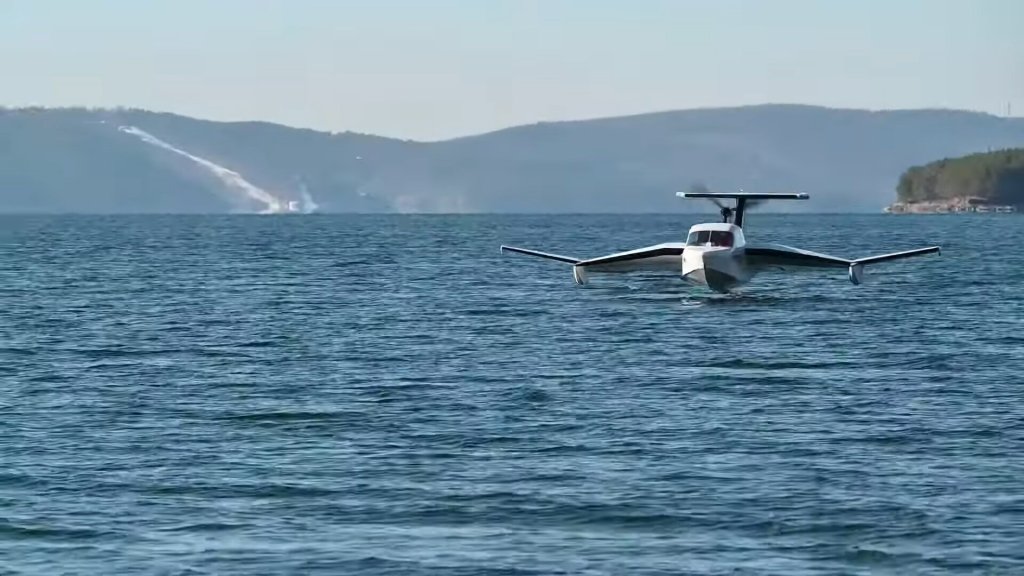

Possible developments
The prototype has already shown excellent results in the testing. If it enters mass production, and the design is further optimised for efficiency, production costs, safety, reliability and modularity, it could serve as the default platform for personal-sized ekranoplans, and be used across the world in different modifications, including: passenger, light cargo, touring, ambulance, fisheries patrol, etc., with a selection of different engines and optional add-ons.
Call to action
The company needs partners so that together they can bring this vision to reality (it’s almost there!)
If you are in the aviation/marine industries, or a venture investor – or just someone who wants to see cool things happen – feel free to reach out!
Submitted by: Vladimir & Sergey Sedykh (Владимир и Сергей Седых)
Hashtags: #Ekranoplan #GroundEffect
Looking for: collaboration, partnership, investment
We can: iterate the design, test prototypes, carry out mass production
Status: prototype exists
